Flags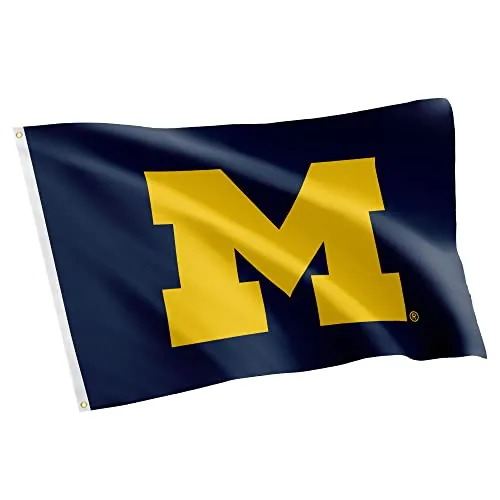
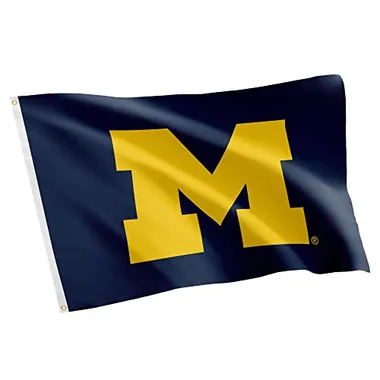
University of Michigan Wolverines
Flag
3 x 5 ft · Polyester
$24.75DC-3HGZ
Your team. Official merch. All in.
We are Desert Cactus. We make flags, pins, lanyards, decals and plate frames for 5,112 teams, schools, chapters and countries, and we make them under licence from the people whose colours they are.



The shelf
These are the 48 pieces our customers reach for most, across 10 of the things we make. Every price is current at our last update, and every piece can be ordered today.
3 x 5 ft · Polyester
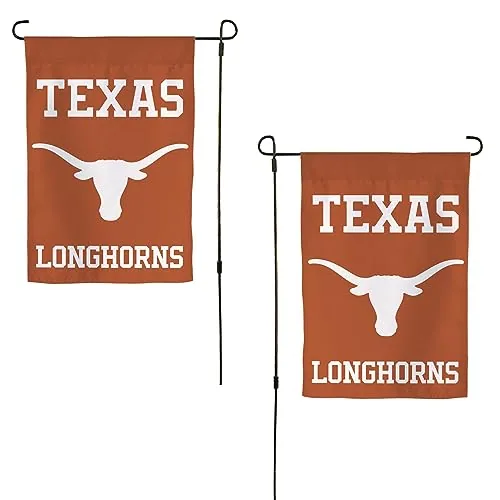
12 x 18 in · Polyester
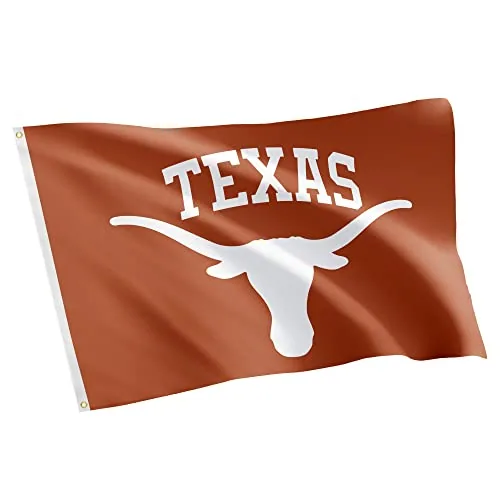
3 x 5 ft · Polyester
12 x 18 in · Polyester
3 x 5 ft · Polyester
12 x 18 in · Polyester
3 x 5 ft · Polyester
12 x 18 in · Polyester
3 x 5 ft · Polyester
12 x 18 in · Polyester
3 x 5 ft · Polyester
12 x 18 in · Polyester
Added value, 1 of 5
Type a school, a city or a country to search the 48 pieces here. If your team is not among them, we almost certainly make it: we make 5,112.
Searches the 48 pieces shown here.
Added value, 2 of 5
Most of what goes wrong with fan merchandise is size. People buy a flag for a pole and get one meant for a garden stake, or they buy a decal for a car window and find it swamps the glass. Here is what each of our formats is actually for.
| Format | Size | Where it goes | How it fixes |
|---|---|---|---|
| Team flag | 3 x 5 ft | A standard flagpole, a wall inside, a dorm room ceiling | Two metal grommets on the pole edge. Pole not included. |
| Garden flag | 12 x 18 in | A garden stake in a lawn or a border | Sleeve or grommets depending on the piece. Stake not included. |
| House flag | About 28 x 40 in | A bracket on a porch post or a wall | Sleeve for a horizontal bracket arm. |
| Car decal | 3 to 6 in | A rear window, a laptop, a water bottle | Cut vinyl. Comes off warm, tears cold. |
| Number plate frame | Standard US plate | The front or rear plate of a car | Two or four screw holes, universal fit. |
| Lapel pin | About 1 in | A jacket, a cap, a bag | Butterfly clasp on the back. |
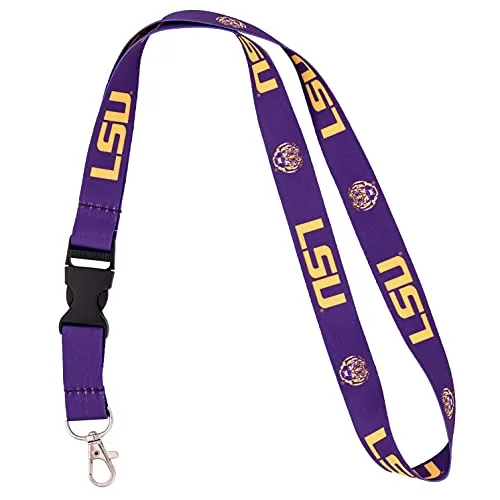
| Lanyard | About 18 in loop | Round the neck, keys or a badge on the end | Snap buckle and a detachable ring. |
Made to 3 by 5 feet for a standard pole.
Made to 12 by 18 inches for a stake or a bracket.
Cut vinyl for glass, paint and laptops.
Universal fit for a US plate, front or rear.
On the car
4 in · 8 in the pack · Vinyl
6.25 in · Zinc alloy
Vinyl
6.25 in · Zinc alloy

Vinyl
6.25 in · Zinc alloy
Vinyl
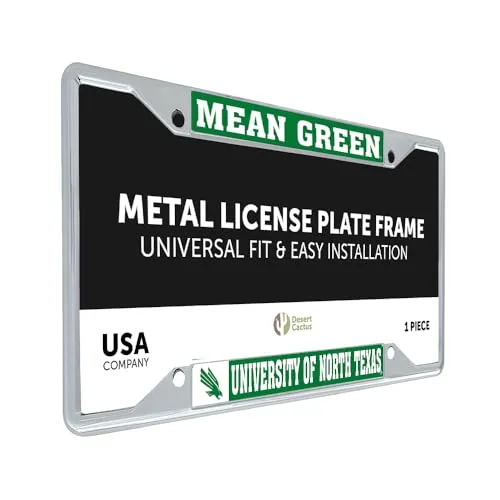
6.25 in · Zinc alloy
Vinyl
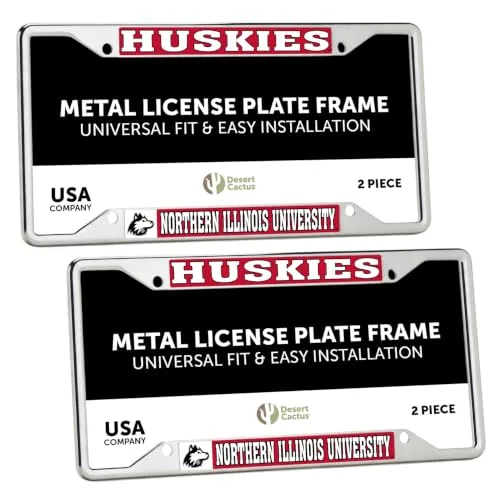
6.25 in · 2 in the pack · Zinc alloy
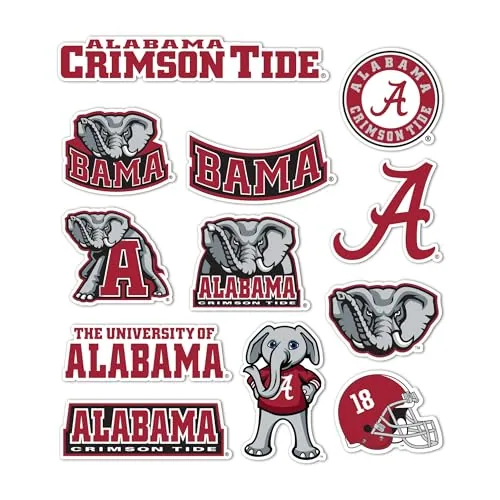
Vinyl
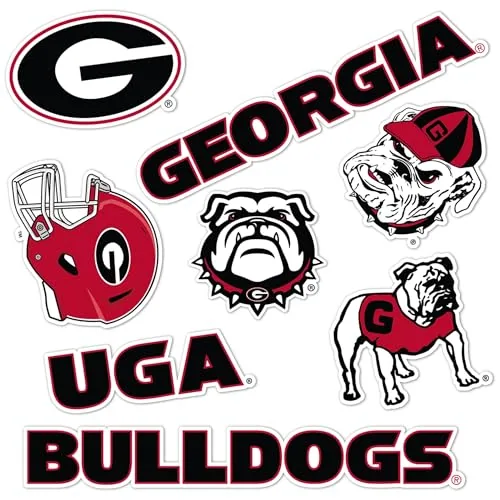
Vinyl
Added value, 3 of 5
A flag outdoors is a piece of fabric being flexed thousands of times a day. How long ours lasts depends far more on where you hang it than on what we sew, so we would rather tell you the truth about both.
We make our full size flags from 150D polyester with two metal grommets, quadruple stitching at the fly end and a reinforced canvas header at the pole end. That construction is there because the fly end is where a flag dies. Wind whips the free edge back and forth until the threads give, and the header takes the whole load of the pole.
None of that stops a flag from wearing out. It slows it down. A flag that flies every day in an exposed spot will look tired long before one that comes down when the weather turns, and no amount of stitching changes that arithmetic.
Leaves and small twigs in constant motion. Wind blows up dry leaves from the ground. Flags are extended out.Beaufort Wind Scale, National Weather Service, Portland Oregon forecast office. Read 20 August 2026.
| Wind | Name | What you see | What it means for the flag |
|---|---|---|---|
| 1 to 3 mph | Light air | Barely any movement with flags | A flag hangs. Nothing wears. |
| 8 to 12 mph | Gentle breeze | Flags are extended out | The everyday working condition. This is what the stitching is for. |
| 19 to 24 mph | Fresh breeze | Small trees in leaf begin to sway | The fly end starts taking real punishment. |
| 32 to 38 mph | Gale | Twigs break off trees | Bring it in. This is where a season becomes a month. |
The federal flag code is worth reading before you put anything on a pole, because it also answers the two questions people ask us most: whether a flag can stay up at night, and what to do when the weather turns.
The flag should not be displayed on days when the weather is inclement, except when an all weather flag is displayed.4 U.S. Code § 6 — Time and occasions for display, Legal Information Institute, Cornell Law School. Read 20 August 2026.
Added value, 4 of 5
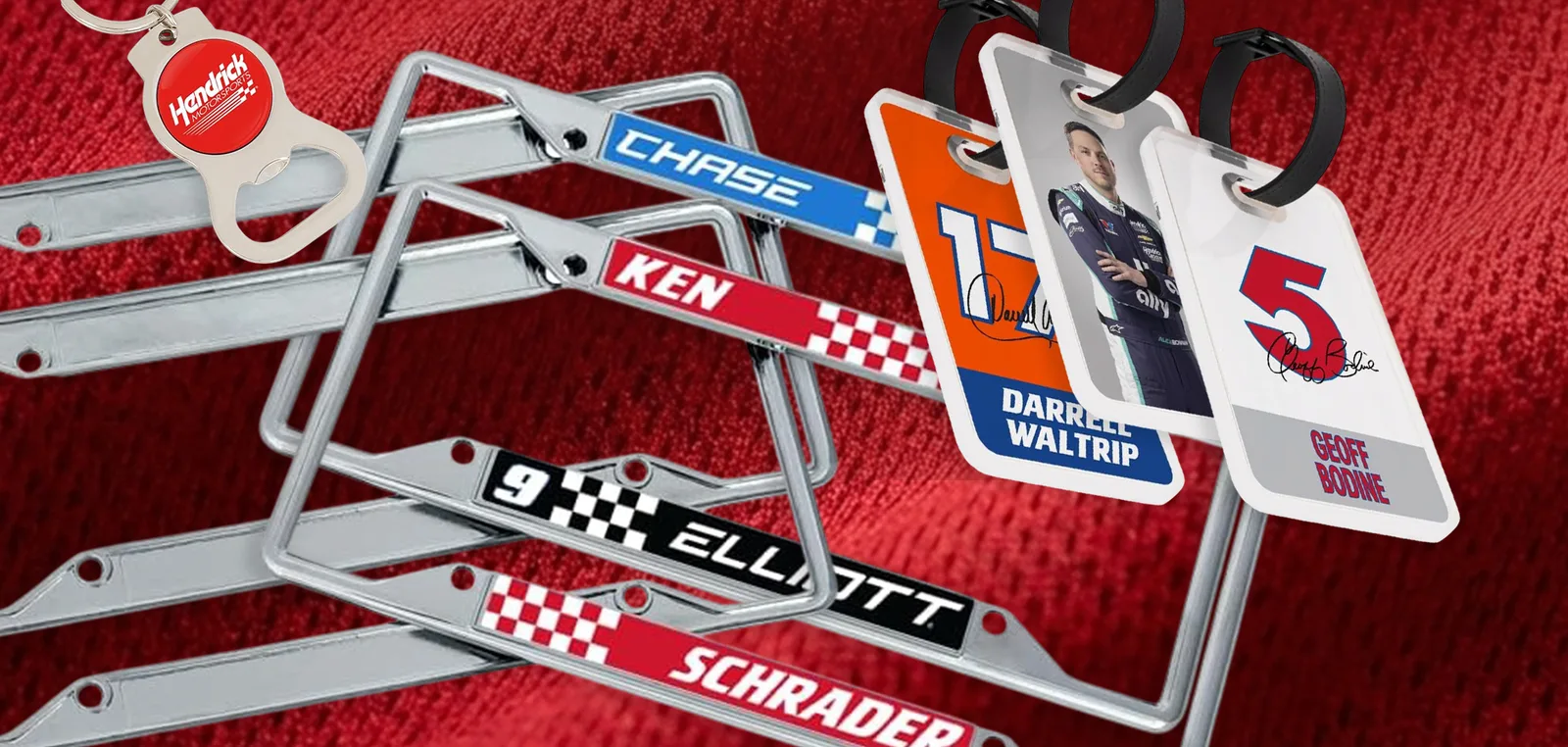
Pins, keyrings, plate frame screws and the small parts in a party kit are the pieces people ask us about when there is a toddler in the house. We would rather answer plainly than sell you something you regret.
Our pins, badges and keyrings are made for adults and older children. They carry a butterfly clasp or a split ring, and both come apart if somebody works at them. We do not make them as toys and we do not market them as toys.
The federal rule that decides whether a small object is a choking hazard is a physical test, not an opinion. If you have a child under three in the house, treat a lapel pin the way you would treat a coin.
Place the article, without compressing it, into the cylinder. If the article fits entirely within the cylinder, in any orientation, it fails to comply with the test procedure.16 CFR Part 1501 — Method for identifying toys and other articles intended for use by children under 3 years of age which present choking, aspiration, or ingestion hazards, U.S. Consumer Product Safety Commission, via the Electronic Code of Federal Regulations. Read 20 August 2026.
A one inch lapel pin fits inside that cylinder. So does a butterfly clasp on its own, and so do the screws that come with a plate frame. None of those items are toys and we do not sell them as toys, but a house with a toddler in it should store them the way it stores coins and batteries.
Added value, 5 of 5
Fan merchandise gets bought for a reason and a date. These are the four we hear most, with what actually works for each.
A garden flag and a plate frame outlast a card. Both carry the school name where visitors see it, and neither needs the graduate to have a wall yet.
Look at garden flags and plate frames.
A 3 by 5 foot flag is the cheapest wall covering a first year will ever buy, and it packs into a coat pocket. Add a lanyard, because a room key gets lost in week one.
Look at team flags and lanyards.
Decals and pins survive a car park. Paper plates and napkins in team colours turn a folding table into something people photograph.
Look at decals, pins and party pieces.
A house flag on a porch says it without a conversation. A pin does the same on a jacket for people who would rather not shout about it.
Look at house flags and lapel pins.
Everyday carry
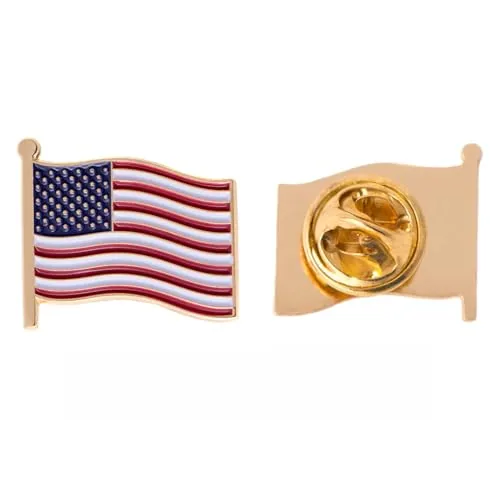
Enamel on metal
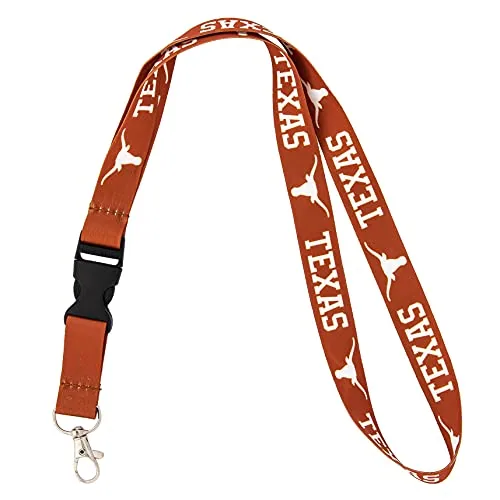
Polyester
PVC
Enamel on metal
Polyester
PVC
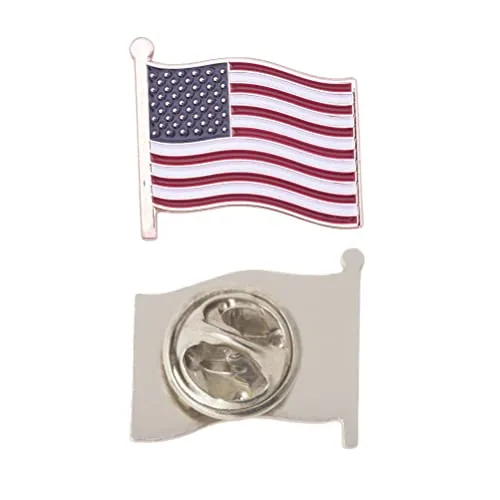
Enamel on metal
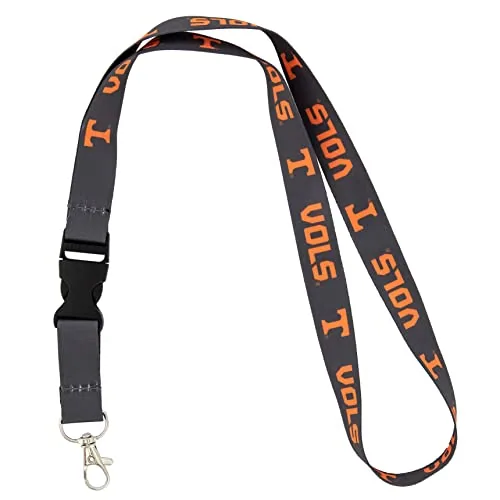
Polyester
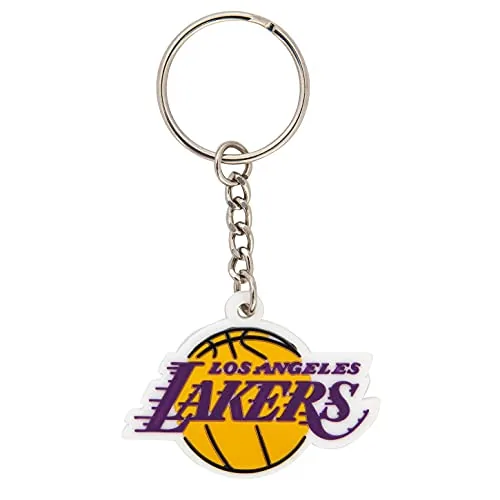
PVC
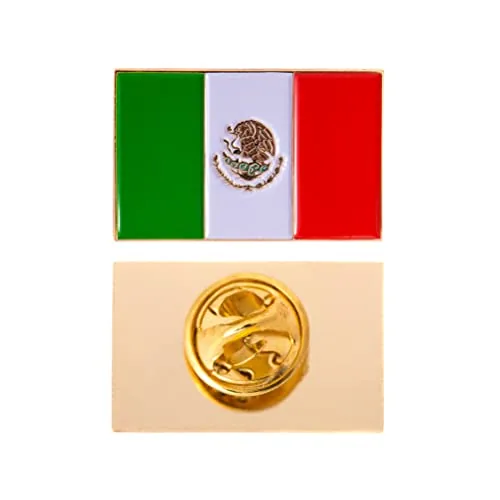
Enamel on metal
Polyester
PVC
How we compare
There are four common ways to end up with team merchandise, and they are not the same purchase. We have put ours beside the others honestly, including where we are not the answer.
| What matters | Desert Cactus | Unlicensed print shop | Campus store | General sports retailer |
|---|---|---|---|---|
| Design signed off by the rights holder | Yes, on 97% of what we make | Usually not | Yes | Yes |
| Colours match what the school publishes | Yes | Rarely | Yes | Yes |
| Choice of team | 5,112 pieces, 1,889 teams | Whatever ranks that week | One team | Big names only |
| Price of a full size flag | $5.90 to $34.99 across our shelf | Lower, and it shows | Higher | Higher |
| You can buy it tonight | Yes | Yes | Only in season | Only if in stock |
| Built for outdoors | 150D polyester, four rows of stitching, canvas header | Thin cloth, folded hem | Varies | Varies |
They have the thing in their hand and you walk out with it. If the game is in two hours, go there.
Price, and nothing else. If the design does not need to be right, it will be cheaper.
A team the big retailers ignore, a format nobody stocks, and colours that have to be correct.
Game day
Polyester
Paper
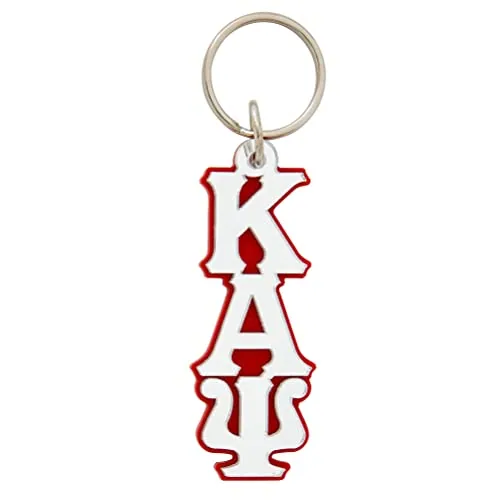
Acrylic
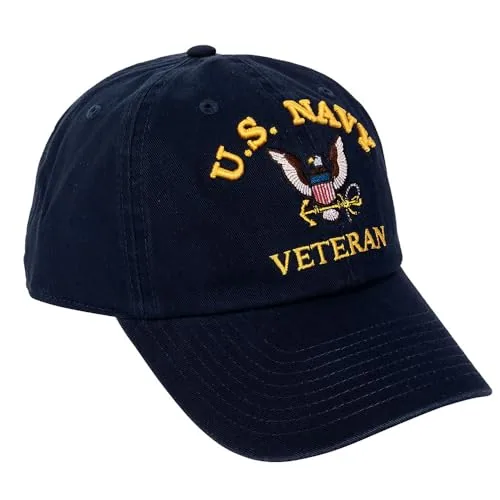
Polyester
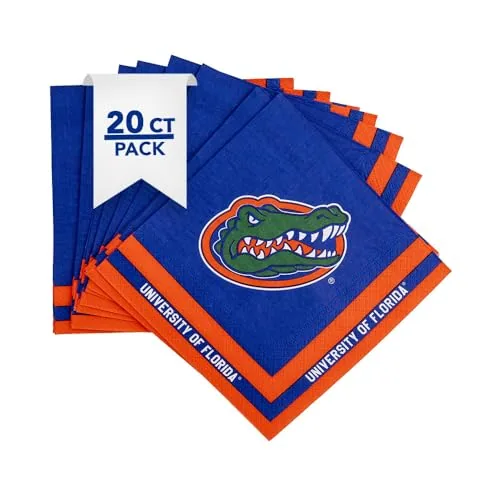
Paper
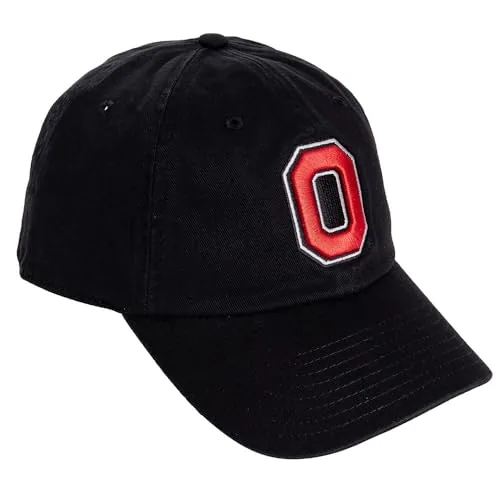
Polyester
Polyester
3 x 5 ft · Polyester
Enamel on metal
Polyester
Polyester
PVC
What customers say
We publish what customers wrote, spelling and complaints included. A wall of nothing but five stars would tell you nothing, so the ones below include the people we did not satisfy.
★★★★☆
It looks good. Officially licensed USA merchandise does not mean it's made in USA. Im taking a star off because of that.
★★★★☆
The design and material is fine. My issue was it was shorter than most of these I have used or seen. The only reason I give it 4 stars. The clip is study and I have no problems with it since I bought it.
★☆☆☆☆
I made a mistake of not reading the reviews on this product. I CANNOT believe there is a QA Dept. because the quality is just so poor!The cut out of the flags terribly off, and in some cases choppy not clean.
★★★☆☆
I like the license plate and would have given it 4, maybe 5 stars, but it doesn't have the clip on the bottom to hold the license plate to the license plate frame. When I open and close my trunk the license plate rattles since it's has no secure back clip.
★★★★★
This pin is well made. My other one was loose and wouldn't stay faced up. This one is perfect. I'm so glad I bought this one. It's functional and beautiful! Yes, it's a good value for the money
★★★★★
A nice sturdy flag to honor my alma mater! …And cheer them on when they play football.
★★★★★
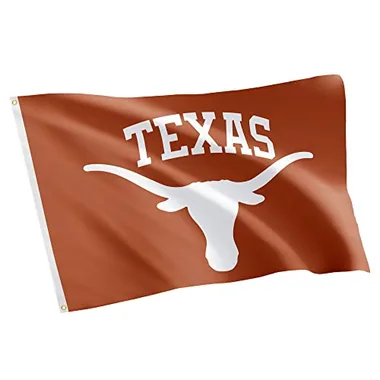
For any Texas Longhorn fan it is perfect
★★★★★
I'm Portuguese I bought Portuguese slags 1st that I bought the American flags they're very nice quality stickers
★★★★★
Bought as a graduation gift. My daughter loves it!!
Gallery
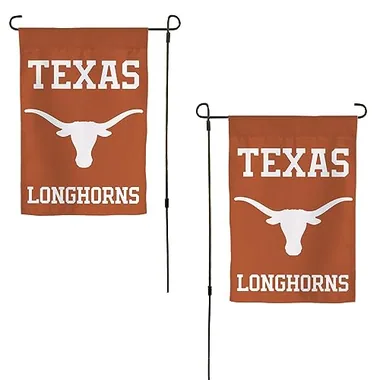
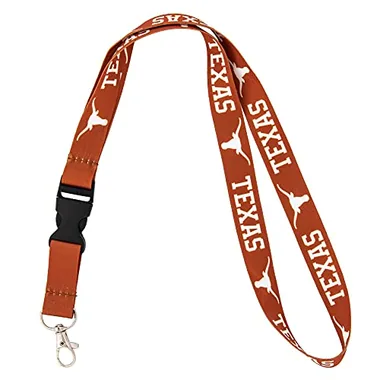
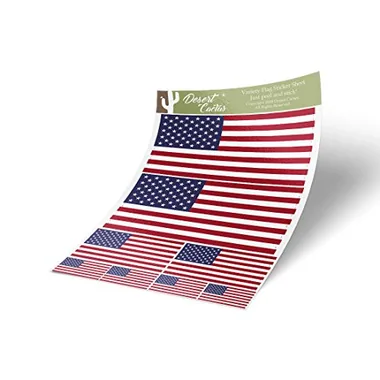
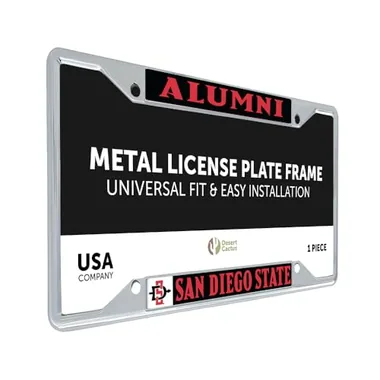
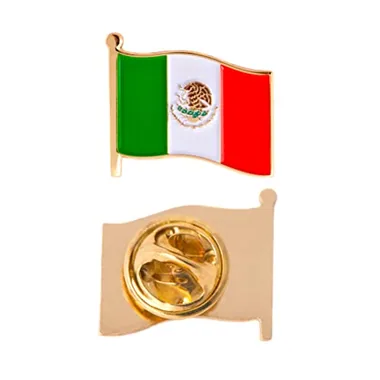
One piece from each of the 10 kinds we show, photographed the way it arrives. No styling, no room sets.
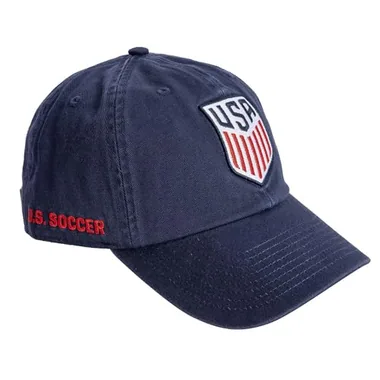
Quality
Quality on a $10 keyring is not a slogan, it is a short list of decisions that either got made or did not. Here is the list, and here is what we chose.
We embroider our caps rather than print them, because thread does not peel and ink on fabric eventually does. The front design is raised, and that is what keeps the shape after a season in a car boot.
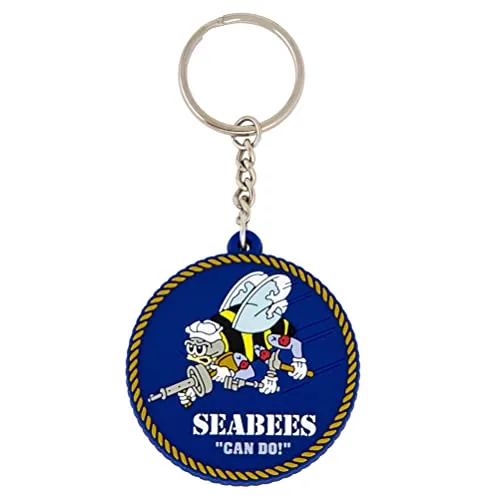
We print our keyrings and decals with fade resistant inks on PVC, acrylic or vinyl. Colour on a car window takes direct sun all day, and cheap ink turns a navy blue into a grey blue in a single summer.
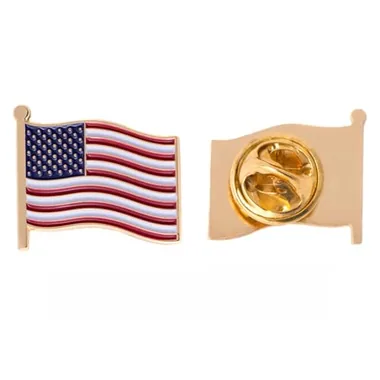
Our pins are metal with an enamel finish rather than a printed sticker under a dome. Enamel keeps its edge where a printed dome scuffs.
The weight we print full size flags on. Heavy enough to hold colour, light enough to fly in a gentle breeze.
The free edge is where a flag fails. Four rows of stitching there is the single most useful thing we do.
The pole edge carries the load. Reinforced canvas and metal grommets stop it tearing out.
Caps get thread and raised front designs, because ink on fabric cracks and thread does not.
Licensing and approval
The word people search for is licensed, and it is worth explaining what it actually buys you, because it is the difference between our shelf and a print-on-demand one.
We are an officially licensed vendor. In practice that means a design does not become a product until the institution whose marks it carries has looked at it and approved it. The artwork, the colours and the way the logo sits are theirs to accept or send back.
That is slower than drawing a logo from a search result and printing it, and it is the reason the crimson on our flag is the crimson the university publishes rather than a crimson somebody eyeballed.
4,934 of our 5,112 pieces carry that approval, and the licensors named on them include universities and colleges, the NBA, the WNBA, the NHL, US Soccer, and individual fraternities and sororities.
Licensed means the rights holder looked at the design and said yes. It does not make us exclusive: other vendors get the same yes, and we have never suggested otherwise.
Production and history
People ask how a flag with a university crest on it comes to exist. The honest answer is that most of the work happens before anything is printed.
A piece starts as a drawing. Somebody takes the institution's mark, its published colours and its rules about clear space, and lays them out on the shape we are actually making. A crest that reads clean on a letterhead can turn to mud at 12 by 18 inches on a garden stake, so the drawing is a compromise from the first minute.
Then it goes out for approval. This is the slow part and it is not ours to hurry. The institution looks at the artwork and either accepts it or sends it back with a note, and a note can be as small as a shade of gold or as large as the whole layout. We redraw and resubmit until it comes back approved.
Only then does anything get made. Flags are printed on 150D polyester and cut, the fly end is stitched four times over, the header is reinforced with heavy canvas and two grommets go in. Caps are embroidered, not printed, with the front design raised. Pins are struck in metal and filled with enamel. Keyrings and decals are printed with inks chosen to hold their colour in the sun.
The last look is a colour check against the approved artwork, because that is the failure nobody forgives. A fan can live with a crease. A fan cannot live with the wrong blue.
Our range grew school by school rather than season by season, and it still does. Somebody asks for a chapter, a smaller college or a national side we have not covered, we draw it, we submit it, and if it comes back approved it joins the shelf. That is how 5,112 pieces happened.
The people
We are a small enough operation that the same handful of people touch a piece from drawing to packing. There are four jobs, and they matter in this order.
Somebody lays the institution's mark on the shape we are actually making. A crest that reads on a letterhead can turn to mud at garden flag size, so this is where the compromises get made.
The drawing goes to the rights holder and comes back approved or annotated. Redraw, resubmit, repeat. Nothing is made until it comes back clean.
Printing, stitching, embroidery, striking and enamelling, depending on the piece. Each format has its own failure point and its own check.
The last look before packing is the approved artwork beside the finished piece. A crease is forgivable. The wrong blue is not.
About the brand
A long answer to a short question, for anyone deciding whether to buy a flag from us.
We are Desert Cactus. We make officially licensed merchandise for the teams people actually support: universities and colleges, the NBA, the WNBA, the NHL, US Soccer and national sides, branches of the armed forces, and the fraternities and sororities that run alongside all of it.
Our shelf runs to 5,112 pieces across 13 formats, and the honest reason it is that big is that a team is not one product. It is a flag, and a garden flag, and a lanyard, and a decal for the back window, and a pin for a jacket, and a plate frame for the car, and that is one school.
Here are 48 of them, picked by what people ask for rather than by what we would like to sell.
The first thing worth understanding about this category is that anybody can print a logo, and most of what is sold online is exactly that. A search result, a bitmap, a print shop, done by Friday. It looks close enough in a thumbnail and wrong in your hand.
We are an officially licensed vendor, and what that buys is a step in the middle. A design does not become a product until the institution whose marks it carries has seen it and approved it. They hold the artwork. They publish the colours. They have rules about how much space sits around a crest and what may never be placed on top of it. Our drawing goes to them, and it comes back either approved or annotated.
That step is slow and it costs money. It is also the only reason the gold on our Michigan flag is the gold Michigan publishes, not a gold somebody matched by eye on a bright screen. 4,934 of our 5,112 pieces, 97 per cent, carry that approval.
Licensed means the rights holder looked at the design and said yes. It does not make us exclusive: other vendors get the same yes, and we have never told anybody different.Desert Cactus
The second thing worth understanding is that an outdoor flag is not a poster. It is a piece of fabric being bent tens of thousands of times a week by moving air, and everything about how we build one is a response to that.
We print our full size flags on 150D polyester. The pole edge gets a reinforced canvas header and two metal grommets, because that edge carries the entire load. The free edge, the fly end, gets four rows of stitching, because the fly end is where a flag dies: wind whips it back and forth until the weave lets go, and it always goes there first.
None of that makes a flag permanent. It makes it last several times longer than the same picture printed on thin cloth with a folded hem. No stitching promises a season: the single biggest factor is whether the flag is up in a storm.
| Format | Size | Made from | The detail that matters |
|---|---|---|---|
| Team flag | 3 x 5 ft | 150D polyester, canvas header, two grommets | Four rows at the fly end |
| Garden flag | 12 x 18 in | 150D polyester, reinforced header | Four rows at the fly end |
| Lapel pin | About 1 in | Struck metal with enamel fill | Butterfly clasp |
| Cap | One size | Embroidered, raised front design | Thread, not print |
| Keyring | About 2 in | PVC or clear acrylic | Fade resistant ink |
| Decal | 3 to 6 in | Cut vinyl | UV resistant ink |
People assume the flag is the difficult product and the keyring is the easy one. It runs the other way round. A flag is large enough to forgive a small colour drift. A one inch enamel pin is not: at that size a crest is a handful of shapes, and if one of them is a shade off, the whole thing reads as a fake.
So our pins are struck in metal and filled with enamel rather than printed under a plastic dome, and they close with a butterfly clasp. Our caps are embroidered rather than printed, with the front design raised, because thread keeps its edge and printed ink on fabric eventually cracks. Our keyrings and decals are printed on PVC, acrylic and vinyl with inks chosen to hold colour in direct sun, which is the whole job for something that lives on a car window.
Our range grew school by school. Somebody asks for a chapter, a smaller college, a national side we had not covered. We draw it, we send it for approval, and if it comes back approved it joins the shelf and stays there. Nothing about that process is seasonal. The range ended up wide rather than fashionable, and you can find a garden flag for a university that will never be on television.
That is also why 1,889 distinct teams, schools, chapters and countries appear across what we make. It was not a plan. It was 5,112 separate yes answers.
Greek life is the clearest example. We carry 404 pieces for fraternities and sororities, and almost none of them would survive a commercial argument on their own. A chapter is a few hundred people. It is worth doing because the people in it cannot buy their letters anywhere sensible, and because a chapter that finds one good vendor tells the next one.
We publish the piece, the measurement and the price. Ordering, payment, delivery and returns happen at checkout with our retail partner, under their terms rather than ours, and we say so on every page because it would be dishonest to let a shop-shaped website imply otherwise.
Where a piece has no buyable price, it comes off the shelf until it has one, and the date of our last price update sits on one page, kept accurate.
We also do not tell you a flag is weatherproof. It is polyester, and polyester in an exposed spot in an American winter has a finite life. What we can tell you is how it is built, where it will fail first, and what shortens the clock, and we have written that out at length in our guides rather than hiding it behind a word like durable.
The same goes for the small parts question. A lapel pin is a hard little object with a sharp pin on the back and a clasp that comes off. We say so on this page, next to the federal test that decides what counts as a choking hazard, because a parent asking that question deserves the rule rather than reassurance.
If you are here because your team is playing this weekend, the shelf is at the top of this page and the search box under it will find your school. If you are here because you are deciding whether we are worth the money, the short version is that we pay for approval, we build the fly end four times over, and we tell you when a flag will not last.
Journal
Three long guides we wrote because nobody else had. They are about flying, sticking and wearing team colours properly, and they cite the rules where rules exist.
What a 3 by 5 foot flag is built from, where it fails first, and the federal rules that apply the moment a national flag joins it on the pole.
Vinyl on glass and paint, chrome frames on a plate, and the practical detail nobody tells you until the adhesive has already torn.
Enamel against printed domes, snap buckles and breakaway clips, split rings that ruin fingernails, and the federal rule that decides what counts as a small part.
Questions
Yes. We are an officially licensed vendor, which means the institution, league or organisation whose marks a design carries has looked at that design and approved it before we made it. Licensed does not mean exclusive: other vendors get the same yes from the same schools, and we have never suggested otherwise.
Our full size team flags are 3 by 5 feet, made for a standard flagpole. Our garden and house flags are 12 by 18 inches and hang from a stake or a bracket. The pole is not included with either, because most people already have one and the two rarely match.
It will fly outdoors, and it will wear out faster the more exposed it is. We build the fly end with quadruple stitching and the header with reinforced canvas and two metal grommets, which slows the wear down rather than stopping it. A flag that comes down in storms lasts several times longer than one that does not.
Our decals are cut vinyl with fade resistant ink, made to sit on glass or paint. They come off, and they come off far more easily in warm weather than in cold. Do not try to peel one in freezing conditions, because that is how vinyl tears and leaves adhesive behind.
They are made for adults and older children, not for toddlers. A lapel pin has a butterfly clasp and a keyring has a split ring, and both come apart if a child works at them. The federal small parts rule treats an object that fits entirely inside a test cylinder as a choking hazard for children under three, and a pin badge fits.
Here are 48 pieces. We make 5,112, covering universities and colleges, the NBA, the WNBA, the NHL, US Soccer, national sides, military branches and Greek life chapters. If a team is missing here it is usually because this page holds a selection, not because we do not make it.
Ordering, payment, delivery and returns happen at checkout with our retail partner, under their terms rather than ours. We publish the piece, the measurement and the price; they take the order and handle what comes after it.
We update them on a schedule and we say on our prices page exactly when we last did it. A piece with no buyable price comes off this page until it has one again rather than sitting here with a figure nobody can honour.